This piece by David Jochinke was published in The Weekly Times on 11 August.
Renewable energy and agriculture can work together but the interests of regional Victoria have to be addressed, writes DAVID JOCHINKE.
It was a dramatic time to be at Victoria’s parliament.
As our delegation of farmers and regional leaders arrived at Spring St, the state was changing premiers and questions were swirling about Victoria’s direction.
But some issues cannot wait for the political dust to settle.
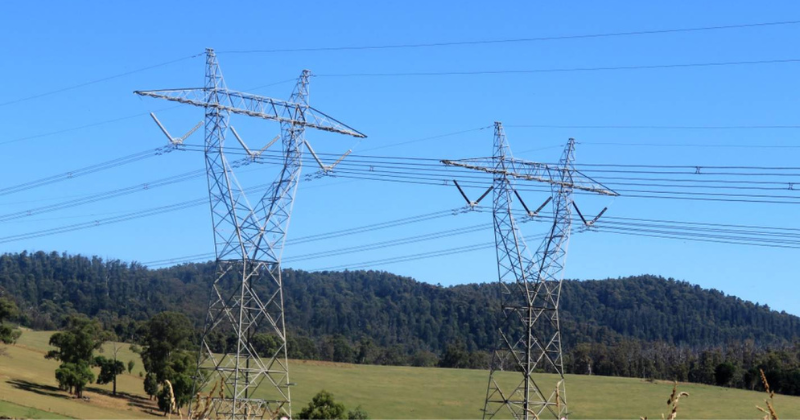
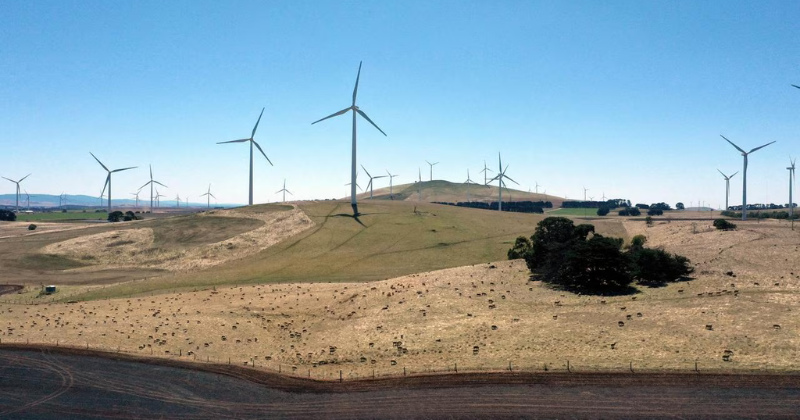
I’m a Wimmera farmer and former president of the National Farmers’ Federation. We host wind turbines and transmission lines. I know renewable energy and agriculture can work together – and that the rollout has not always been handled well.
Across regional Victoria, instances of poor consultation have left some people feeling decisions were made around them, rather than with them. They have legitimate questions about transmission, decommissioning, insurance, impacts on neighbours and what projects will leave behind.
Those concerns should be addressed, not dismissed. But nor should the loudest voices be allowed to speak for every farmer and every regional community.
There is a large, quiet cohort in agriculture that sees renewable energy differently. We see the challenges, but we also see opportunity.
Long-term income from hosting infrastructure can help farm businesses withstand drought, fluctuating commodity prices and rising costs.
It can help families remain on the land and continue producing food
At a community level, renewable energy investment gives us a rare opportunity to tackle some of the forces driving rural decline: shrinking services, limited local jobs and young people having to leave to build a future. Done properly, it can support housing, roads, water, skills and services, while also diversifying our regional economies.
But those benefits will not happen automatically. If we as communities do not take control of this opportunity, decisions will be made for us, money will flow elsewhere and we will be left to manage the impacts.
Governments need to set stronger standards for developers, including enforceable decommissioning arrangements and fair treatment for project neighbours. Councils need resources to plan for construction pressures and negotiate good outcomes.
Most importantly, communities must control how community benefit funds are used. These funds should not amount to a scattering of short-term grants decided elsewhere.
They should be governed locally and invested strategically in the lasting priorities identified by the people who live there.
Supporting renewable energy does not mean accepting poor development. Regional Victorians should be able to demand better while still choosing to explore what these projects could offer.
The political conversation has become too binary. Project opponents have a right to be heard. So do those who believe renewable energy can work and want to make it work better.
Victoria’s new leadership can reset its relationship with regional communities by listening, treating people with respect and making them active partners in what happens next.
Regional communities are offered very few opportunities of this scale to address the drivers of rural decline. We cannot afford to let this one pass us by. If we take control and get the settings right, the shift to renewable energy can do more than generate power.
It can help renew the regions producing it.