Skip navigation
RE-ALLIANCE PLACES REGIONAL RENEWAL AT THE CENTRE OF THE RENEWABLE ENERGY SHIFT.

Rural and regional Australians know that the shift to renewable energy offers us once-in-a-generation opportunities – but to fully harness them, it’s essential that we’re at the centre of this shift. We want renewable energy to be done well, and for it to strengthen and renew our communities. That's why RE-Alliance starts with the needs of local communities, collaborates with industry to deliver social outcomes, and advocates for meaningful benefits for regional communities through government policy.


What are the options when wind, solar and battery projects reach retirement? Who’s responsible, and what rights and protections exist for landholders? How recyclable are renewable energy materials?

Our toolkit 'Refurbishment, repowering or retirement. What happens when renewables approach end of life?' provides clear, factual information for landholders, communities and local councils.

Join our email list

Latest News

Go to Activity

Transmission upgrades will divide communities unless they get a seat at the table

February 20, 2026

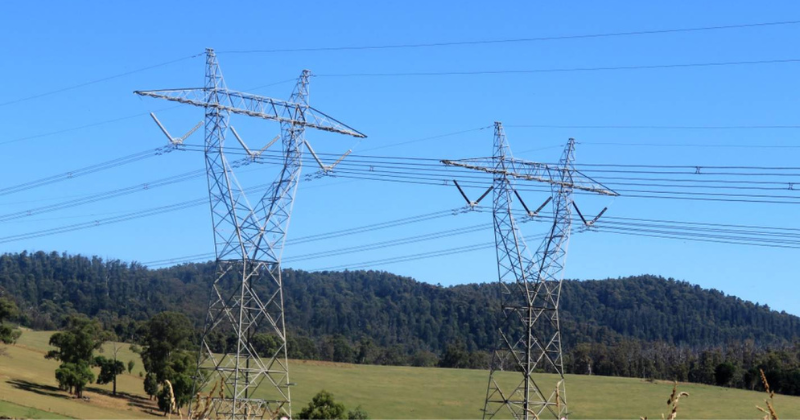
– Andrew Bray, RE-Alliance National Director. Transmission upgrades will divide communities unless they get a seat at the table. Every time a light is switched on in a farmhouse, or a dairy, or an abattoir, that electricity has likely arrived via a power line...

Read More

Submission to the Inquiry on Local Government Funding and Fiscal Sustainability

February 04, 2026

RE-Alliance's submission to this Inquiry – which is undertaken by the Standing Committee on Regional Development, Infrastructure and Transport (Committee) – considers whether existing funding mechanisms are addressing the evolving responsibilities of local governments. The role of local government is vital in achieving national...

Read More

Submission on Future Made in Australia Community Benefit Principles

February 03, 2026

The Future Made in Australia (FMIA) policy offers a landmark opportunity to deliver lasting benefits for communities across the country. With $22.7 billion committed under the policy over the next decade, it is pivotal that this public investment (and the private investment it generates)...

Read More