7 July, 2025 | The Courier-Mail
Tracey Richards is a Queensland cattle grazier who worked with Greenleaf Renewables for 2.5 years to host turbines within the Moonlight Range Wind Farm project near Rockhampton. The project received state planning approval in December 2024. The State Planning Minister reversed that decision five months later.
Tracey wrote the piece below about her family's experience, an excerpt of which was published in The Courier-Mail on 30 June 2025.
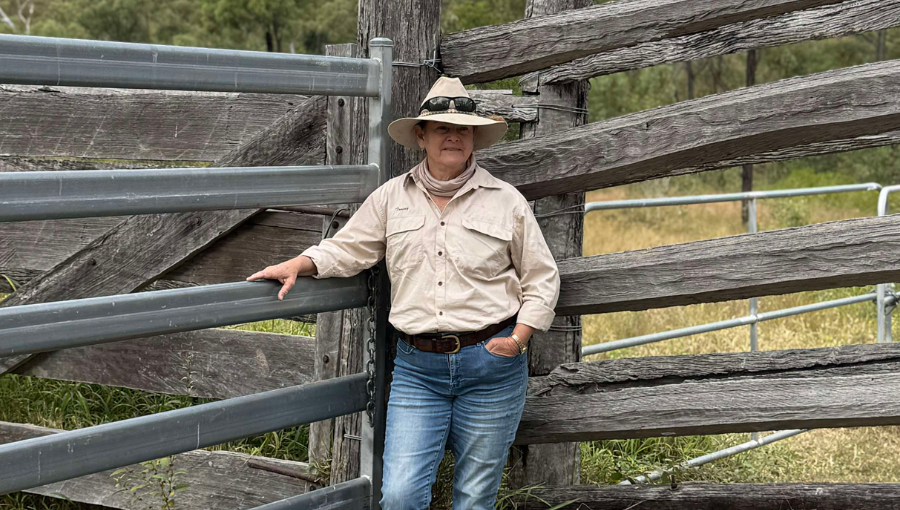
This farm has been in our family for five generations.
Our connection to this land is more than the physical element of ownership, we feel deeply connected to its rhythms, hidden secrets, natural assets and needs. It is a powerful connector to future generations. We feel the responsibility of ensuring that the land is safeguarded from damage, able to be meaningfully farmed by those who come after us.
The property is 7,500 acres or 3,035 hectares. As a casual observer you’d say we are cattle graziers, we have grazed cattle for most of our lives. But in reality, our connection is more complex than that, through our family we understand how this land changes with the seasons, we know its softness in the wet years and its rough, dry toughness in drought. We understand the soil, the way water moves across the land, how the wind sweeps across the ridge lines.
The farm is a place of deep emotional connection and belonging for my family. When we are on the farm together, we are whole. It is the place our family comes to for celebrations, to connect, to work through difficult times, to share, to laugh and to escape.
Farming is becoming increasingly volatile.
Cattle prices are highly variable depending on a range of factors – water, feed, international markets, disease, consumer patterns and market conditions. This combined with increasing input costs – fencing, feed, weed management, vaccinations, vet fees, transport costs, fuel, machinery. While much of that volatility has been present for years, the tempo has increased significantly.
The drive to produce cattle which is of a higher quality means always needing to be focused on improvements, productivity enhancements, efficiencies, technological developments.
Of course, climate change is an issue which is most keenly felt by farmers. Drought, floods and bushfires – are devastating and mostly uninsurable. The frequency and intensity of these events regularly impacts a farmers’ production capacity and farmers like the rest of Australia’s carbon emitting sectors are also under pressure to adopt practices that reduce greenhouse gas emissions, conserve water and sequester carbon.
Not that we are complaining. Most farmers love farming almost more than anything. It isn't just a job – it’s a way of life, part of our identity. Regardless of the challenges, farmers would always prefer to be farmers.
It wasn’t an easy decision to agree to host wind turbines on our property.
We took a great deal of time weighing the advantages and disadvantages. At the end of the day, we landed in favour of this project as we feel it provides the best balance for our family, an approach which fits in harmoniously with the land and allows future generations to farm in a way that matches their hopes and aspirations.
The project would have enabled us to diversify our income and enhance our farm’s resilience. While we have learnt to live with the volatility of farming, the Moonlight Range Wind Farm Project provided an opportunity to diversify, ensuring that when the time comes that we have the capacity to rebuild, restock and repair.
One of the reasons we chose this project was its limited impact on others in our district. There are no homes in close proximity to our land or the proposed project site. The site has strong support from the majority of our neighbours so we felt comforted by the fact that we had all made similar assessments.
We had been approached by many other companies looking to install wind turbines, but Greenleaf had the best program and structures in place to safeguard the land, work with all landholders within the project and repeatedly demonstrated a genuine care for the environment and respect for the landowner partners.
Given the current political climate in Queensland, we were confident that the project would stand strong on its merits.
However, we were always nervous about politics undermining the foundations of the opportunity.
We could see the political rhetoric regarding this project steadily increasing, the antagonistic nature of the debate, so sadly, the announcement that the State Planning Minister would reverse planning approval for the project felt horribly inevitable and disappointing.
The project approval process has been unnecessarily cruel. First approved in December 2024 and then cancelled in May 2025 without logic and reason. As local landowners we feel we have been the collateral damage of politics over project merit.
We are not a family of intergenerational wealth, nor are we privileged pastoralists, we are a working-class family that have laboured tirelessly, often juggling multiple jobs to create a life with meaning.
Greenleaf have been consummate professionals.
They have always been open and approachable, they have partnered with landholders, listening to our concerns along the way. We have felt respected by their process and part of the project, not just the hosts of a project.
We have collaborated with Greenleaf for nearly 2.5 years to safeguard the most important and vulnerable flora and fauna on our property. Through our discussions with Greenleaf, we were particularly excited about the opportunity to put land aside to enhance the natural values and increase biodiversity.
We are driven to protect the environment. The wellbeing of the land underpins our way of life, and we firmly believe that this project could support both the environment and the broader community.
It is perhaps one of my greatest frustrations that no one actually approached the landholders to see what Greenleaf and the landholders had finalized regarding native vegetation removal.
Greenleaf worked closely with all the landholders to minimize the amount of native vegetation required for the turbines. Choosing barren ridge tops with limited vegetation where possible and actively refining the project to avoid the removal of significant native flora.
This collaborative, place-sensitive approach was fundamental to building a project that we could support.
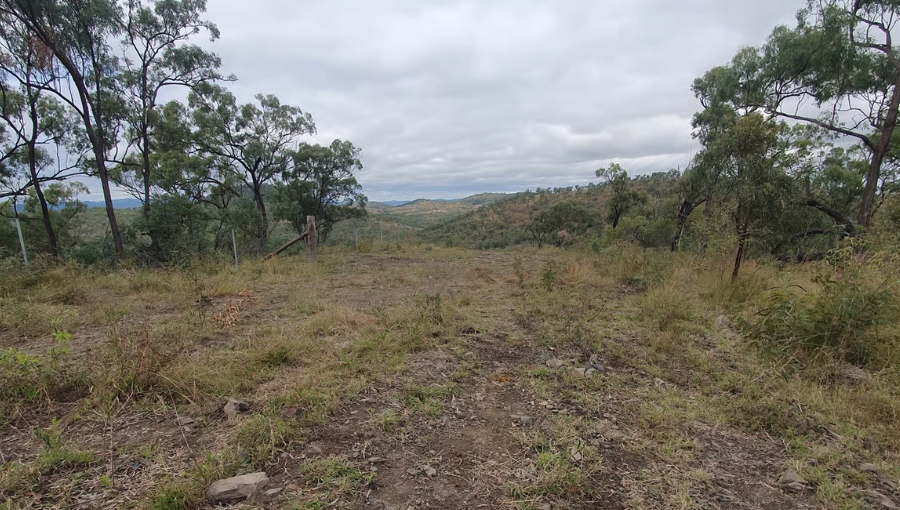 Ridges on Tracey Richards' property
The cancellation of a billion-dollar renewable energy project sends ripples far beyond our farm.
At its core, it represents a loss of momentum in Queensland’s energy transition. Projects of this scale are not just about turbines, they’re about jobs, supply chains, regional investment, energy security and international competitiveness.
The decision to cancel this project sends a clear message that doing business in Queensland is hard, uncertain and volatile. It is hard to believe that these are the messages that create a vibrant regional economy.
We entered into the Moonlight Range project in good faith - with a genuine desire to be part of something that would benefit not only our families and our land but the broader region.
As proposed landholders, we worked closely with the project developer to design a proposal that was environmentally responsible. We felt heard, respected, and part of a vision that aligned with our values.
To see that process abruptly disregarded has left us feeling abandoned. The lack of direct communication and recognition from the government for our significant efforts as landholders to support and shape a responsible project has been deeply disheartening.
Our experience highlights the urgent need for a more consistent, transparent, and respectful approach when it comes to working with landowners on projects of this scale.
The one thing I am most disappointed about is that we have chosen to be dignified and respectful of others’ right to hold differing views – yet that approach seems to have been dismissed.
We haven’t staged protests, written angry letters or engaged in combative behavior because we believe that thoughtful dialogue is a core element of country debate.
It saddens me deeply that the theatre of politics and advocacy appears to carry more weight than the values we hold dear: those of quiet strength, mutual respect and measured conversations.
We shouldn’t have to shout to be heard.